

Rubber Export Opportunities
As already said, India is world's third largest producer of rubber in the world. The Indian Rubber Industry is a very important industry in Indian Economy. This industry has a tremendous chances of growth, which in turn can lead to a tremendous growth in export opportunities.
Advantages of Indian Rubber Industry- An extensive plantation sector.
- Indigenous availability of the basic raw materials, like natural rubber. Synthetic rubber, reclaim rubber, carbon black, rubber chemicals, fatty acids, rayon and nylon yarn are easily available to make various rubber-based products.
- There is a large domestic market.
- There is easy availability of cheap labor.
- On-going economic reforms.
- Improved living standards of the masses.
- Civil
- Aviation
- Aeronautics
- Railways and agriculture transport
- Textile engineering industries
- Pharmaceuticals, mines, steel plants etc.
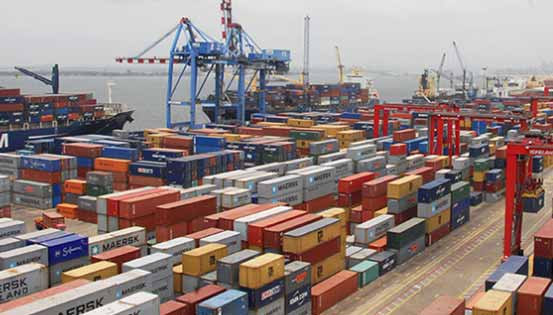
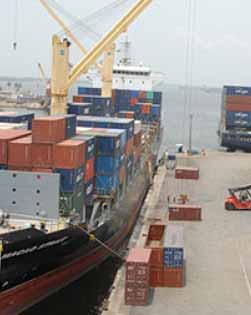
India's exports of rubber products, including tyres exceeded Rs.2000 crores according to a recent estimate. Products exported are as follows:
- Automotive tyres and tubes
- Rubber and canvas footwear
- Cycle tyres
- Pharmaceutical goods
- Rubber hoses, cots and aprons
- Belts and beltings
- Sheeting
India exports to over 85 countries, including:
- USA
- Germany
- France
- U.K.
- Italy
- UAE
- Saudi Arabia
- Africa
- Afghanistan
- Bangladesh
There is no doubt that with the saturation reaching in rubber consumption in various Western countries and the shift in consumption of rubber to the Asia Pacific region, the focal factor for this decade for development is India. The rubber industry is expected to grow at over 8% per annum in this decade. The industry is envisaged to grow at the rate of 8% per annum and the per capita consumption of rubber at 0.8 kg against 14 kg. There exists a huge scope for expansion and development and exports in coming years. Infact, exports of rubber goods was worth Rs. 30 billion in the year 2005.
- Anti Vibration Mountings
- Automobile Rubber Products
- Calendered Rubber Products
- Extruded Rubber Products
- Medical Rubber Products
- Metal Bonded Components
- Rubber Adhesives & Sealants
- Rubber Ball
- Rubber Bands
- Rubber Beading
- Rubber Bearing
- Rubber Belt
- Rubber Buckets
- Rubber Bullets
- Rubber Cable
- Rubber Coating
- Rubber Duct
- Rubber Expansion Joints
- Rubber Flooring/Matting
- Rubber Footwear
- Rubber Gloves
- Rubber Injection Parts
- Rubber Lining
- Rubber Magnets
- Rubber Molded Products
- Rubber Pads
- Rubber Rollers
- Rubber Stopper
- Rubber Suit
- Rubber Track
- Rubber Valve
- Rubber Balloon
- Rubber Stamps
- Rubber Fenders
- Acrylic Rubber (ACM)
- Butadiene Rubber (BR)
- Butyl Rubber (IIR)
- Chlorosulfonated Polyethylene(CSM)/ Hypalon
- Ethylene Propylene Diene Monomer
- Fluoroelastomers (FKM)/Viton
- Isoprene Rubber (IR)
- Nitrile Rubber (NBR)
- Perfluoroelastomer (FFKM)
- Polychloroprene (CR)/Neoprene
- Polysulfide Rubber (PSR)
- Silicone Rubber (SiR)
- Styrene Butadiene Rubber
How to Make a Custom Rubber Stamp?
Whenever designing a custom stamp for your company, never compromise on its quality because in the end it is the most...
Read MoreLatex and Silicone Rubber Tubing - A Comparison!
Many industries use rubber tubing for various purposes. In fact, various types of rubber tubing are used for different applications...
Read MoreSilicone vs Acrylic Adhesive- A Comparison
Silicon and acrylic adhesives are those rubber adhesives that are widely used in Polyimide tapes. In fact, the polyimide...
Read More