

Rubber Coating
Know all about rubber coating and the various options for such protective coating solutions. How does rubber, rather liquid rubber act as coating option; how to select and apply rubber coating; advantages of rubber coating; various popular brands like plasti dip for protective coatings of rubber!
What is Rubber Coating?
Rubber coating is one of the most widely used processes of coating in various applications. Such protective coating is applied onto or impregnated into a substrate or an object for protective, decorative or functional purposes. Rubber coating medium is a very important consideration in the selection of coating material. This type of coating is used on many elastomeric components like seals, gaskets, o-rings, stoppers and plungers, which are used in a variety of industrial applications like electronics, medical, automotive, military industries etc.
Rubber as a Coating Material- Liquid, Natural, Synthetic Rubber Coating
Rubber is a preferred material for coating application because of two reasons:
- Rubber is resisted to mechanical wear and tear.
- Rubber is resisted to the influence of strong aggressive environment.
Due to their versatile nature, synthetic rubber coatings, mostly made of liquid rubber, can be easily sprayed onto any surface for long term sealing, insulation and protection against moisture, dust and other air borne materials preventing leakages etc. Liquid rubbers are widely used to create protective coatings on various materials as well as in caulking and weatherproofing.
Rubber Coating Selection
The purpose of the coating and the kind of rubber required for coating are chosen on the basis of the technological equipment. The design of rubber coating application place is chosen considering both the equipment exploitation and equipment design departments. You can coat anything with a flexible rubber coating by spraying, brushing or dipping. Rubber coatings provide a barrier against the leaching of elastomeric bi-products, and at the same time protect surfaces from organic solvents and inorganic reagents, acids and solutions.
How to Apply Rubber Coating ?
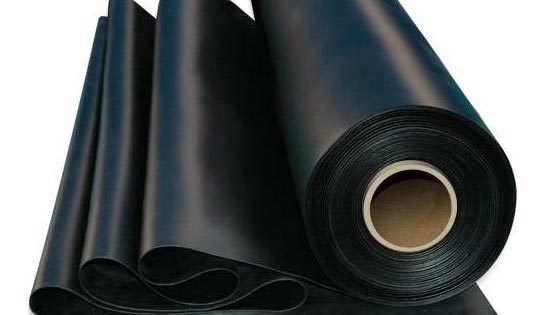
Rubber Coating Buying tips
When selecting appropriate rubber coating, the following factors should be considered:- Temperature
- Friction
- Material being coated
Rubber coating is applied to seal tools, flooring, and various
other surfaces. The rubber coating is liquified having consistency of glue.
Applying rubber coating to surfaces needs to be done evenly and quickly so
that all the sides of the surface might dry at the same time. This prevents
formation of bubbles of wet rubber coating. There are a few methods of
applying rubber coating to surfaces, main of which are applying rubber
coating by dipping and by paint brush.
Check out our article Applying
Rubber Coating on Flooring or Other Surfaces to know about these
methods.
Types of Rubber Used in Rubber Coating
The following types of rubbers are frequently used for the purpose of rubber coating
- Silicone Rubber (SiR)
- Neoprene
- Ethylene Propylene Diene Monomer (EPM, EPDM)
- Natural Rubber
- Viton
- Butyl Rubber (IIR)
- Hypalons
We cater to wholesale supply of rubber coating through our vast database of rubber coating manufacturers and suppliers. For bulk requirement of rubber coating, rubber coating spray, synthetic rubber coating, rubber coated rollers, rubber roof coating, rubber coated fabrics, liquefied rubber coating, send us online enquiry and get prompt response from genuine rubber coating suppliers.Click here to send enquiry.
Advantages of Rubber Coating
- It is flexible.
- It won't crack, chip or become brittle.
- Coating insulates from electrical shock, vibration, heat.
- Coating nullifies sound.
- It provides safe, non-slip comfort and control.
- It is durable.
- Rubber coating resists weather, chemicals, impact and abrasion.
- Improved lubricity which means lower coefficient of friction.
- Reduces stickiness.
- Rubber coating gives protection from oils, dirt and contamination.
- It has excellent dielectric strength.
Applications of Rubber Coating
Rubber coating is widely applied accross industries and even in homes. Rubber coated fabrics and roofs are the best examples of applications of rubber coating in homes. Rubber spray coating and rubber coated rollers can be taken as examples of industrial applications of rubber coating.
Rubber Roof Coating
An important application of rubber coating is rubber roof coating. Rubber roof coating is used to repair or recoat rubber roofs as well as to reseal protrusions in the roof. This type of coating can also be applied over galvanized steel, bituminous built-op roofs, concrete, wood, polyurethane foam and asphalt roof shingles. Rubber roof coating is applied wherever a flexible durable and long lasting protection is required. Rubber Roof Coating is applied using a brush, roller or spray equipment.
Rubber Spray Coating
Rubber Spray Coating
Rubber spray coating or specialty
coating is the answer for applications that require on-site repair. Huge
tanks, launder systems, and equipment with intricate detail work all use
specialty coating in form of rubber spray coating. Sprayable urethane is
produced to protect all surfaces and equipment which are exposed to any kind
of abrasive and corrosive environments. These spray rubber coatings are easy
to repair and they form and add reinforcement to other highly durable
protective linings. Spray rubber coating or specialty coatings extend the
operating life, replacement as well as maintenance costs of equipment and
structures in areas with vibration, impact, bending, flexing, and thermal
cycling. This type of coating is available with superior tensile,
elongation, and tear strength properties.
Rubber Coated Rollers
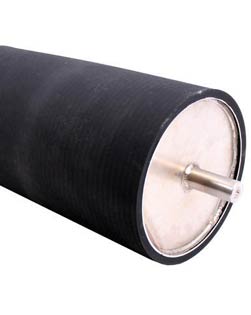
Rubber coating is also applied on rollers. Rubber coated rollers are used in printing , textile, wood pocessing, paper and pulp industry, plastic foil production, long-distance belt conveying etc
Rubber Coated Fabrics
Rubber coated fabrics are widely used in textile industry. The properties of the rubber are added to the performance characteristics of the fabric. They are also known as rubber coated textiles, proofed fabrics, proofed textiles or technical coated textiles. The rubber coating on fabrics provides specific performance attributes required for the operating environment e.g. flame retardancy, fuel resistance.
Popular Rubber Coatings
Rubber coating manufacturers always try to bring in unique and more usful protective coatings to the market. Some of these products have more advanced features that make them more beneficial to apply. These popular rubber coatings can be found almost with all the rubber coating suppliers. Some of such rubber coatings include the following:
- Plasti dip
- Loctite Rubber Coating
- Blue Magic Rubber Coating
- Gardner-Gibson Rubber Coating
Related Articles
- Anti Vibration Mountings
- Automobile Rubber Products
- Calendered Rubber Products
- Extruded Rubber Products
- Medical Rubber Products
- Metal Bonded Components
- Rubber Adhesives & Sealants
- Rubber Ball
- Rubber Bands
- Rubber Beading
- Rubber Bearing
- Rubber Belt
- Rubber Buckets
- Rubber Bullets
- Rubber Cable
- Rubber Coating
- Rubber Duct
- Rubber Expansion Joints
- Rubber Flooring/Matting
- Rubber Footwear
- Rubber Gloves
- Rubber Injection Parts
- Rubber Lining
- Rubber Magnets
- Rubber Molded Products
- Rubber Pads
- Rubber Rollers
- Rubber Stopper
- Rubber Suit
- Rubber Track
- Rubber Valve
- Rubber Balloon
- Rubber Stamps
- Rubber Fenders
- Acrylic Rubber (ACM)
- Butadiene Rubber (BR)
- Butyl Rubber (IIR)
- Chlorosulfonated Polyethylene(CSM)/ Hypalon
- Ethylene Propylene Diene Monomer
- Fluoroelastomers (FKM)/Viton
- Isoprene Rubber (IR)
- Nitrile Rubber (NBR)
- Perfluoroelastomer (FFKM)
- Polychloroprene (CR)/Neoprene
- Polysulfide Rubber (PSR)
- Silicone Rubber (SiR)
- Styrene Butadiene Rubber
How to Make a Custom Rubber Stamp?
Whenever designing a custom stamp for your company, never compromise on its quality because in the end it is the most...
Read MoreLatex and Silicone Rubber Tubing - A Comparison!
Many industries use rubber tubing for various purposes. In fact, various types of rubber tubing are used for different applications...
Read MoreSilicone vs Acrylic Adhesive- A Comparison
Silicon and acrylic adhesives are those rubber adhesives that are widely used in Polyimide tapes. In fact, the polyimide...
Read More