

Polychloroprene Rubber (CR)/ Neoprene
Polychloroprene rubber or neoprene has more than 75 years of proven performance in varied industrial applications. Neoprene, an extremely useful synthetic rubber, is the DuPont Performance Elastomer's trade name for a family of polychloroprene rubber (CR). In other words, polychloroprene is the polymer name for the synthetic rubber known as neoprene. This rubber was developed in 1931 and supposed to be the first specialty elastomer. This is one of the most important types of synthetic rubber with an annual consumption of nearly 300000 tons worldwide. Polychloroprene rubber has a perfect balance of mechanical properties and fatigue resistance which is second only to natural rubber. Neoprene rubber also has superior oil, chemical and heat resistance. This type of rubber (Polychloroprene rubber or Neoprene) is widely used in general engineering applications.
Neoprene Rubber Properties / Properties of Polychloroprene (CR)
Neoprene rubber does not has just one outstanding property, but its balance of properties is unique among the other types of synthetic rubber. The polychloroprene properties can be listed as follows:
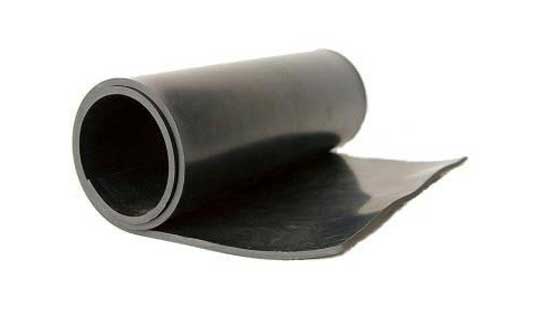
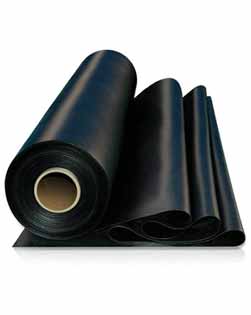
- Polychloroprene rubber has good mechanical strength.
- It is high ozone and weather resistance.
- Neoprene also has good aging resistance.
- It has low flammability as one of its properties.
- It has good chemicals resistance.
- Polychloroprene rubber is moderately oil and fuel resistant.
- Neoprene rubber properties include its capability of adhesion to many substrates.
- Polychloroprene or neoprene rubber can be vulcanized by using various accelerator systems over a varied temperature range.
- It is less resistant than natural rubber to low temperature stiffening. This helps in giving improved low temperature resistance.
- Polychloroprene rubber can also be used easily with mineral oils, greases, dilute acids and alkalis.
Neoprene Rubber Applications
Neoprene rubber applications are many. This rubber is used in various technical areas, specially in the rubber industry. It plays a vital role as a raw material for adhesives which can be both -solvent based as well as water based. Polychloroprene rubber also has different latex applications (such as dipped articles like gloves), molded foam as well as improvement of bitumen. Neoprene rubber applications are widely spread which include moulded goods, cables, transmission belts, conveyor belts, profiles etc.
Neoprene Rubber Products
As is clear from the description of neoprene rubber applications, it can be easily understood that polychloroprene rubber is used for making various products. Some of the widely used neoprene rubber products include the following.
- Neoprene Gaskets
- Neoprene Gloves
- Neoprene Sheet
- Neoprene Strap
- Neoprene Brace
- Neoprene Wrap
- Neoprene Knee
- Anti Vibration Mountings
- Automobile Rubber Products
- Calendered Rubber Products
- Extruded Rubber Products
- Medical Rubber Products
- Metal Bonded Components
- Rubber Adhesives & Sealants
- Rubber Ball
- Rubber Bands
- Rubber Beading
- Rubber Bearing
- Rubber Belt
- Rubber Buckets
- Rubber Bullets
- Rubber Cable
- Rubber Coating
- Rubber Duct
- Rubber Expansion Joints
- Rubber Flooring/Matting
- Rubber Footwear
- Rubber Gloves
- Rubber Injection Parts
- Rubber Lining
- Rubber Magnets
- Rubber Molded Products
- Rubber Pads
- Rubber Rollers
- Rubber Stopper
- Rubber Suit
- Rubber Track
- Rubber Valve
- Rubber Balloon
- Rubber Stamps
- Rubber Fenders
- Acrylic Rubber (ACM)
- Butadiene Rubber (BR)
- Butyl Rubber (IIR)
- Chlorosulfonated Polyethylene(CSM)/ Hypalon
- Ethylene Propylene Diene Monomer
- Fluoroelastomers (FKM)/Viton
- Isoprene Rubber (IR)
- Nitrile Rubber (NBR)
- Perfluoroelastomer (FFKM)
- Polychloroprene (CR)/Neoprene
- Polysulfide Rubber (PSR)
- Silicone Rubber (SiR)
- Styrene Butadiene Rubber
How to Make a Custom Rubber Stamp?
Whenever designing a custom stamp for your company, never compromise on its quality because in the end it is the most...
Read MoreLatex and Silicone Rubber Tubing - A Comparison!
Many industries use rubber tubing for various purposes. In fact, various types of rubber tubing are used for different applications...
Read MoreSilicone vs Acrylic Adhesive- A Comparison
Silicon and acrylic adhesives are those rubber adhesives that are widely used in Polyimide tapes. In fact, the polyimide...
Read More